
Fine Particles. Explosive Effects.
ST 1–3
20 L
6+
ATEX
Fine Particles. Explosive Effects.
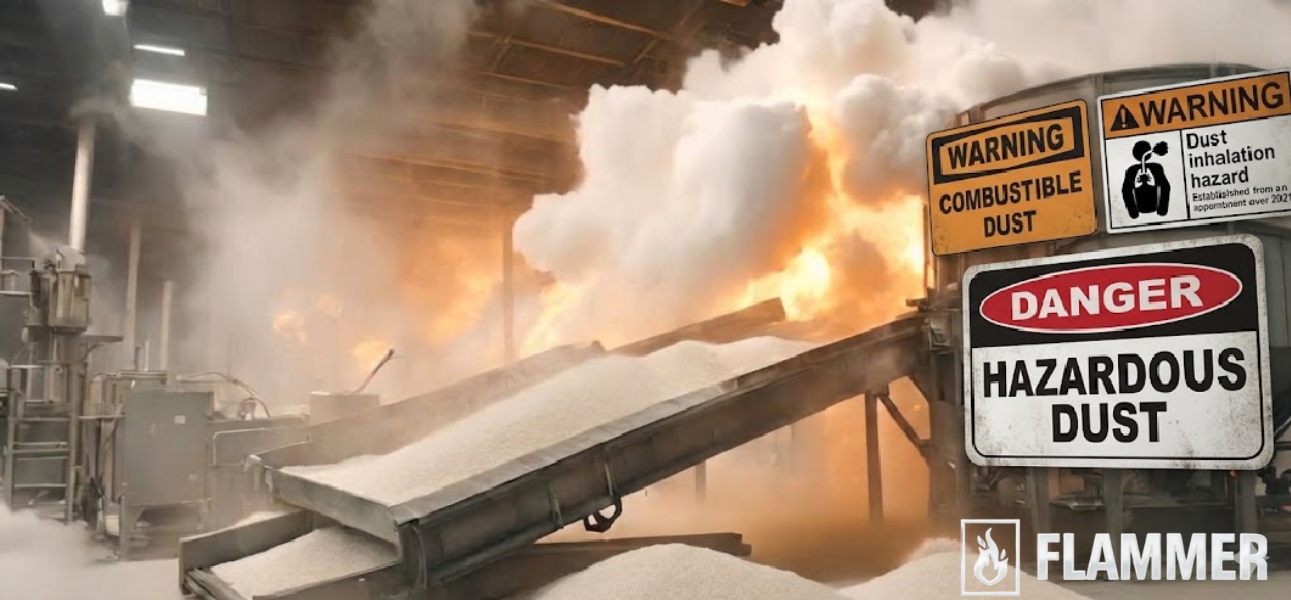
Combustible dust is any fine solid particle that can spread in the air, catch fire, and explode when exposed to an ignition source. Combustible dust may consist of elements in the physical states of powders, flakes, fines, fibers, etc. When these fine particles mix with oxygen and are exposed to an ignition source, like a small spark or a burst of static electricity, even common, harmless materials like sugar, wood, or aluminum powder can cause a massive, destructive explosion.
Any industry that deals with powdered, crushed, or granular materials is potentially at risk. Figuring out whether the dust in your workshop is combustible—and testing exactly how violently it explodes—is the only way you can choose, design, and set up the right explosion safety systems and safe operating procedures.
Common Combustible Dust Categories
Agriculture
Sugar, starch, flour, grain, feed powder
Metals
Iron powder, aluminium, zinc, magnesium
Coal & Mining
Carbon black, coal dust, sulphur
Wood & Paper
Paper dust, sawdust, wood flour, cellulose
Chemicals & Pharma
Resins, plastic powders, pigments, APIs
Paints & Coatings
Spray powders, Pigment dust, epoxy resins
Stay Safe and Compliant with Detailed Combustible Dust Testing
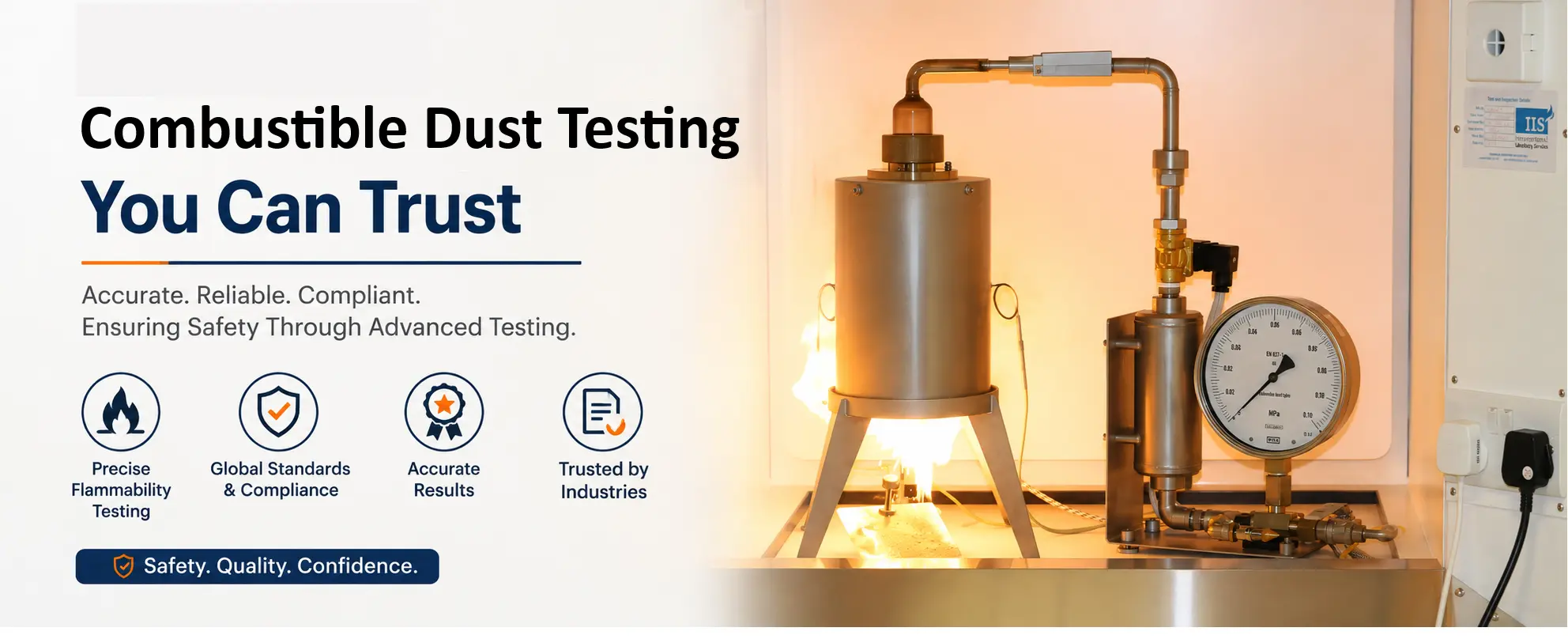
In the industrial world, dust is a normal part of the process. But under certain conditions, this same dust can become a serious danger. Combustible Dust Testing is the first step to figuring out how severe the risk can be. This testing is crucial where fine powders and dust is generated during manufacturing or material handling. Many materials like sugar, chemicals, certain metals, or even wood, that seem harmless can explode if the conditions are just right.
Our process often starts with Combustible Dust Sampling, where we take actual samples from your factory floor to see how they react under pressure. As one of the most trusted Combustible Dust Testing manufacturers in India, we provide the exact Kst and Pmax data you need. This data ensure your safety vents and isolation valves are set up to handle the real pressure of your specific materials. We show you the ignition limits and pressure peaks so you can implement safety measures that actually work.
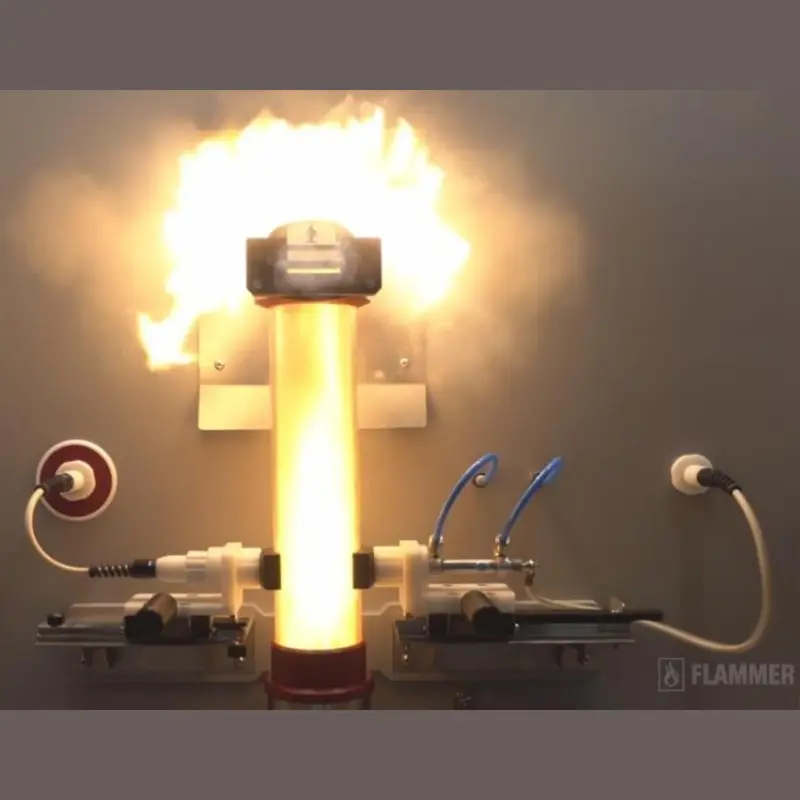
We Offer Combustible Dust Testing Services
Ignoring dust hazards can lead to equipment damage, production loss, and serious injuries. Regular Combustible Dust Testing allows industries to take preventive steps before any incident occurs. When plant operators clearly know the explosion properties of their materials, they can select suitable protection systems and improve overall safety planning.
Flammer Technologies is recognized among reliable Combustible Dust Testing suppliers in India, offering professional support from sample evaluation to detailed technical guidance. Our team ensures that every report is simple to understand and useful for practical implementation. We work closely with clients to help them identify hazards and strengthen their safety systems. With our accurate testing solutions, industries gain confidence, better compliance, and long-term protection against combustible dust hazards.
Investing in our testing services is a smart way to ensure you meet all industrial audits while keeping your team and your expensive machinery protected from the unpredictable threat of a dust explosion.
The Pentagon of Dust Explosion
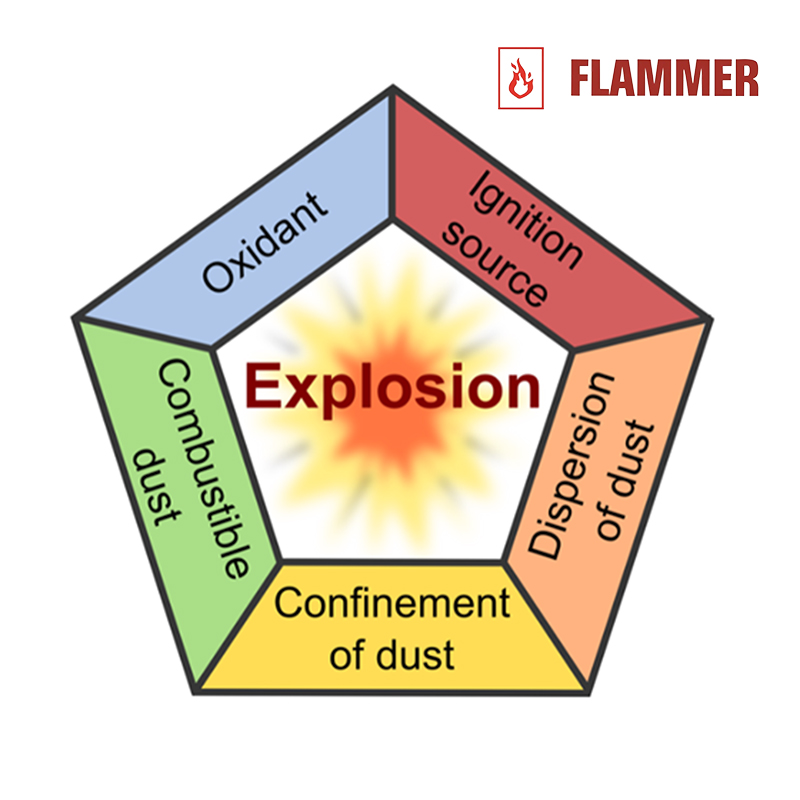
A dust explosion requires five simultaneous conditions. Remove any one, and an explosion cannot occur. Dust hazard analysis identifies which controls to apply.
01. Combustible Dust
The dust itself must be combustible. Not all dusts are — but many common industrial materials are unexpectedly explosive when finely divided.
03. Sufficient Concentration
The cloud must exceed the Minimum Explosible Concentration (MEC). Below this threshold, the mixture is too lean to sustain a deflagration.
05. Confinement
When a dust cloud catches fire inside sealed equipment—like elevators, silos, or dust collectors—pressure builds up very quickly. That rapid pressure rise is what turns a fire into a destructive explosion.
02. Dust Suspension in Air
Dust must be dispersed as a cloud. Settled dust on surfaces alone won't explode — but a disturbance event can instantly create a hazardous cloud.
04. Ignition Source
An ignition source with enough energy — spark, hot surface, static discharge — must be present. MIE and MIT tests define safe thresholds.
06. Safety Strategy
By thoroughly testing your workshop dust and understanding its exact parameters, Flammer Technologies can design the perfect explosion venting, suppression, or isolation systems to keep your facility completely safe.
Key Dust Test Parameters
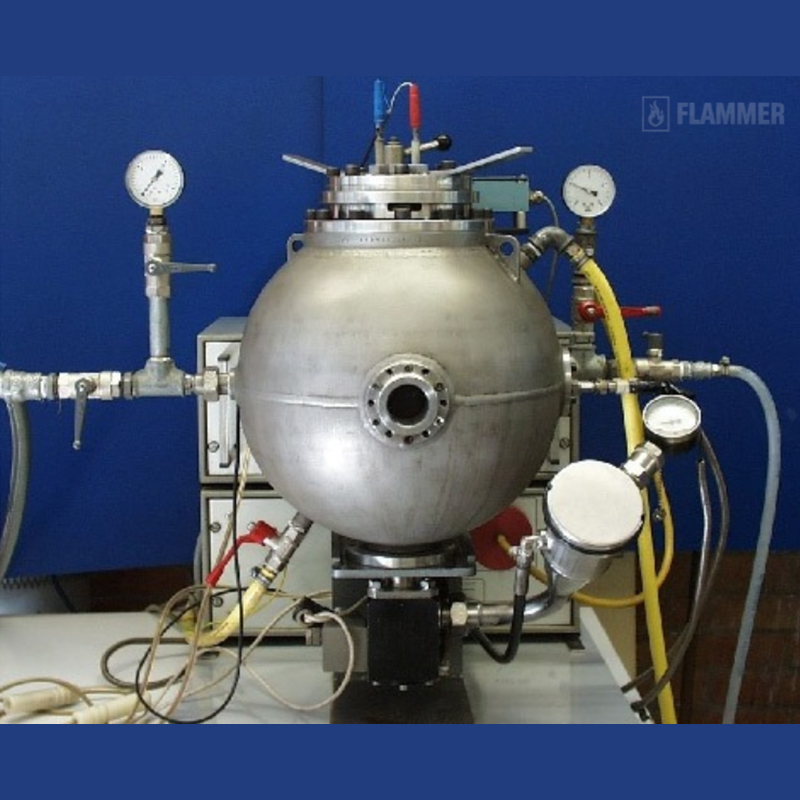
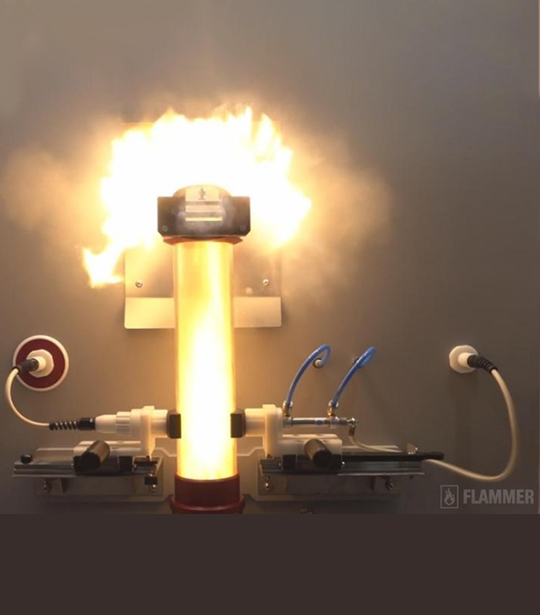
Hartmann's apparatus for Minimum Ignition Energy (MIE) Testing
1. Kst (Deflagration Index)
The highest rate of pressure rises during a dust explosion. Determines the ST class (ST1, ST2, or ST3) and controls vent sizing calculations.
2. Pmax (Maximum Explosion Pressure)
The maximum pressure achieved during a confined dust explosion. Critical for equipment containment design and pressure-resistant enclosure requirements.
3. MIE (Minimum Ignition Energy)
The lowest spark or discharge energy capable of igniting a dust cloud. Essential for electrostatic hazard control and equipment earthing requirements.
4. MIT (Minimum Ignition Temperature)
The minimum spark or discharge energy required to ignite a dust cloud. Crucial for electrostatic hazard control and device earthing.
5. MEC (Minimum Explosible Concentration)
The minimal concentration of dust in the air necessary for igniting. Used to create ventilation systems that maintain concentrations securely below this limit.
6. LOC (Limiting Oxygen Concentration)
The minimum oxygen level required for a dust explosion. The key parameter for designing an inerting system with nitrogen or CO₂ blanket protection.
From Dust Sample to a Safe Facility
Our team of engineers understand your process, the materials you handle, and your facility layout. This helps us identify the actual dust risks you are facing on your shop floor.
We collect a representative dust sample from your process. We guide you on the right sampling technique and quantity needed.
Your sample is tested for Kst, Pmax, MIE, MIT, MEC and LOC values using standard test methods (EN / ASTM). This gives you accurate, reliable data.
Flammer Technologies supplies the right dust explosion protection devices — vents, suppressors, isolation valves — all sized to your specific requirements.
Protecting Every Industry
Common Questions
Without testing, you’re working blind — you don’t know your dust’s real explosive potential. Testing gives you the data you need to design proper explosion protection, meet safety regulations, and keep workers and equipment safe from a catastrophic deflagration event.
In India, the Factories Act and applicable PESO regulations require employers to assess and reduce explosion risks. Globally, ATEX (EU) and NFPA 652/654 (US) standards require Dust Hazard Analyses for facilities handling combustible particulates.
A deflagration means the fire spreads at sub-sonic speeds through the dust cloud, whereas a detonation travels at supersonic speeds with a shock wave. While almost all factory dust blasts are technically deflagrations, they still easily generate 7 to 10 bar of intense pressure, which is more than enough to flatten heavy steel machinery and collapse buildings.
Flammer Technologies provides a full lineup of safety hardware, including chemical explosion suppression systems, explosive venting panels, flameless vents, chemical isolation barriers, and mechanical isolation valves. We custom-size every single one of these systems to match the exact Kst and Pmax ratings of your specific dust.
This is not recommended. Even small differences in particle size, moisture content, or chemical composition can significantly change a dust’s explosive characteristics. Test data must represent the actual material as it exists in your specific process.
A site consultation typically lasts 1-2 days, laboratory testing 7-14 working days, and report preparation 3-5 days. Flammer Technologies can provide a complete project timeframe at the initial meeting.
