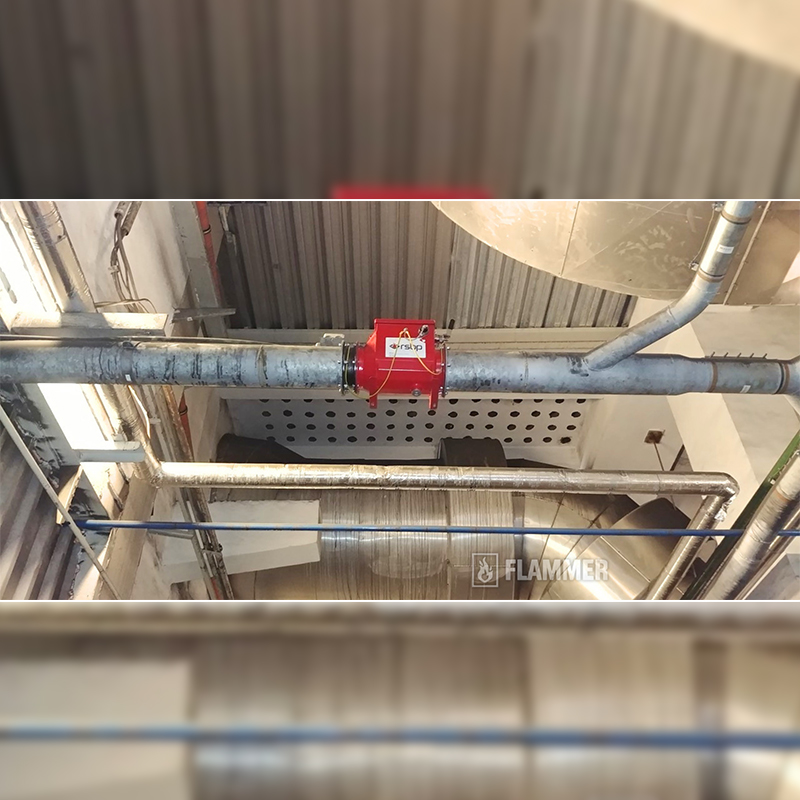
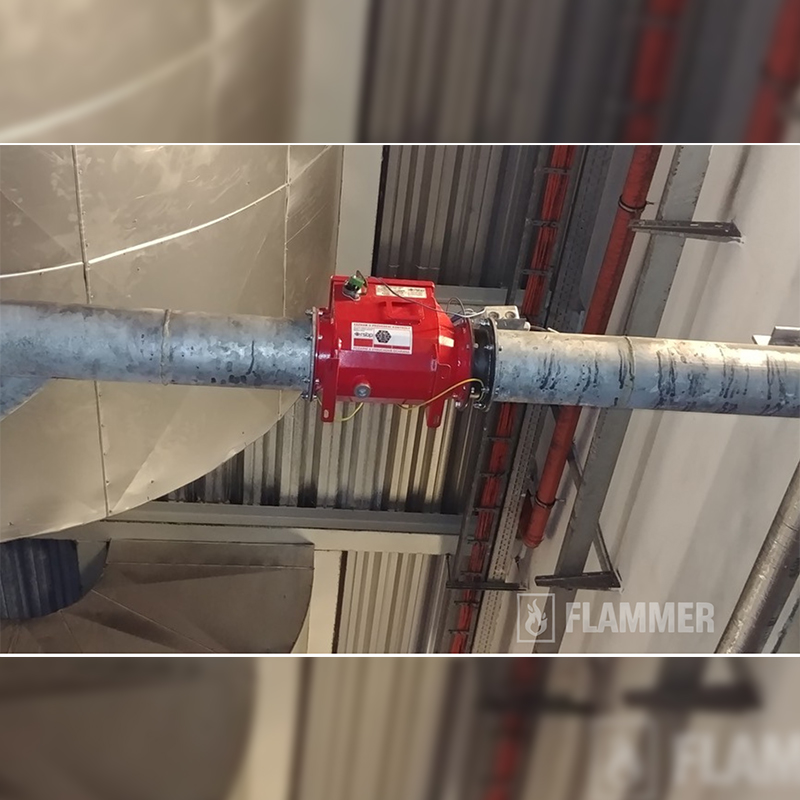
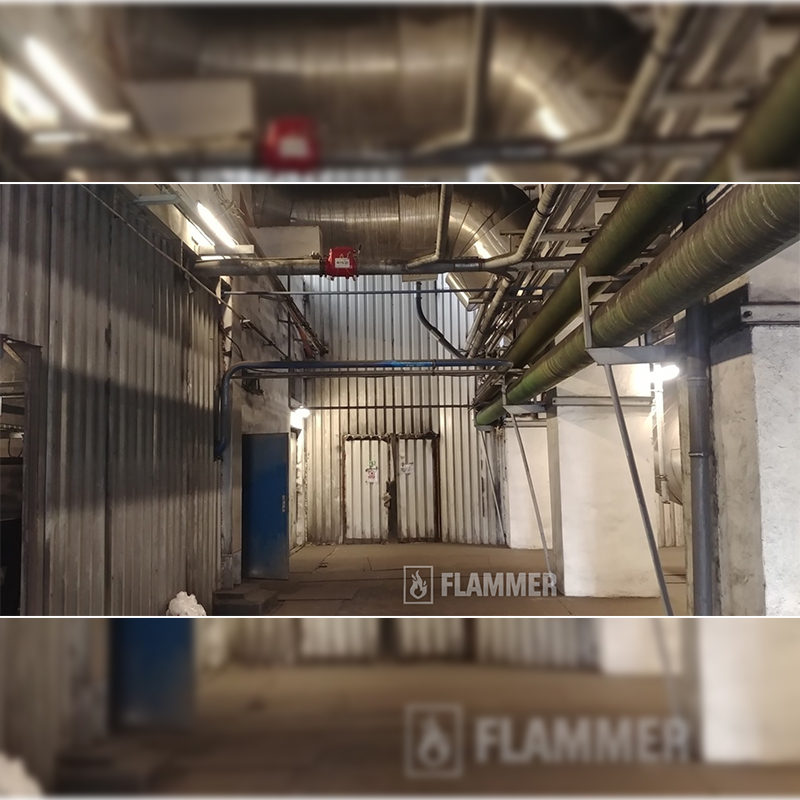
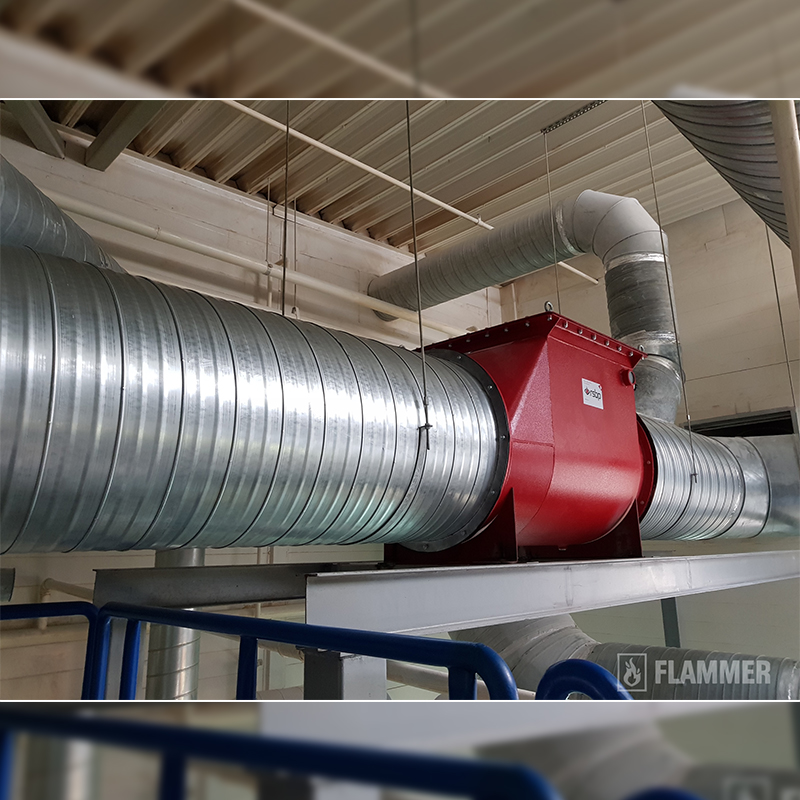
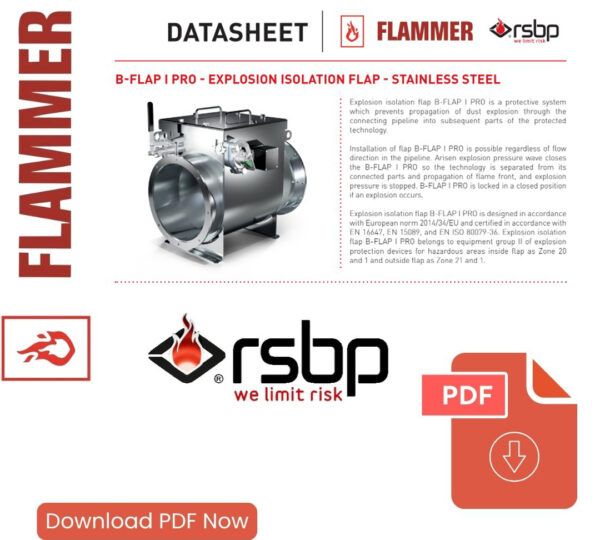
Technical Specifications

Prevent Secondary Explosions using Explosion Isolation Valve Equipments

Explosion Isolation is a vital safety solution widely used in industrial operations to contain, control, and suppress the spread of explosions within interconnected systems.

When an explosion occurs, it can rapidly travel through pipelines, ductwork, or process connections, spreading flames and pressure waves to other parts of the facility. This chain reaction can trigger multiple secondary explosions, leading to severe damage to machinery, infrastructure, and posing a serious risk to human life.

Explosion isolation systems act as a protective barrier, effectively blocking and containing the blast at its origin, preventing it from reaching adjacent equipment. By doing so, they significantly minimize damage, reduce downtime, and enhance overall plant safety. As one of the top Explosion Isolation Valve manufacturers in India, we build these valves to be incredibly fast and reliable.

Functionality of Explosion Isolation Valve

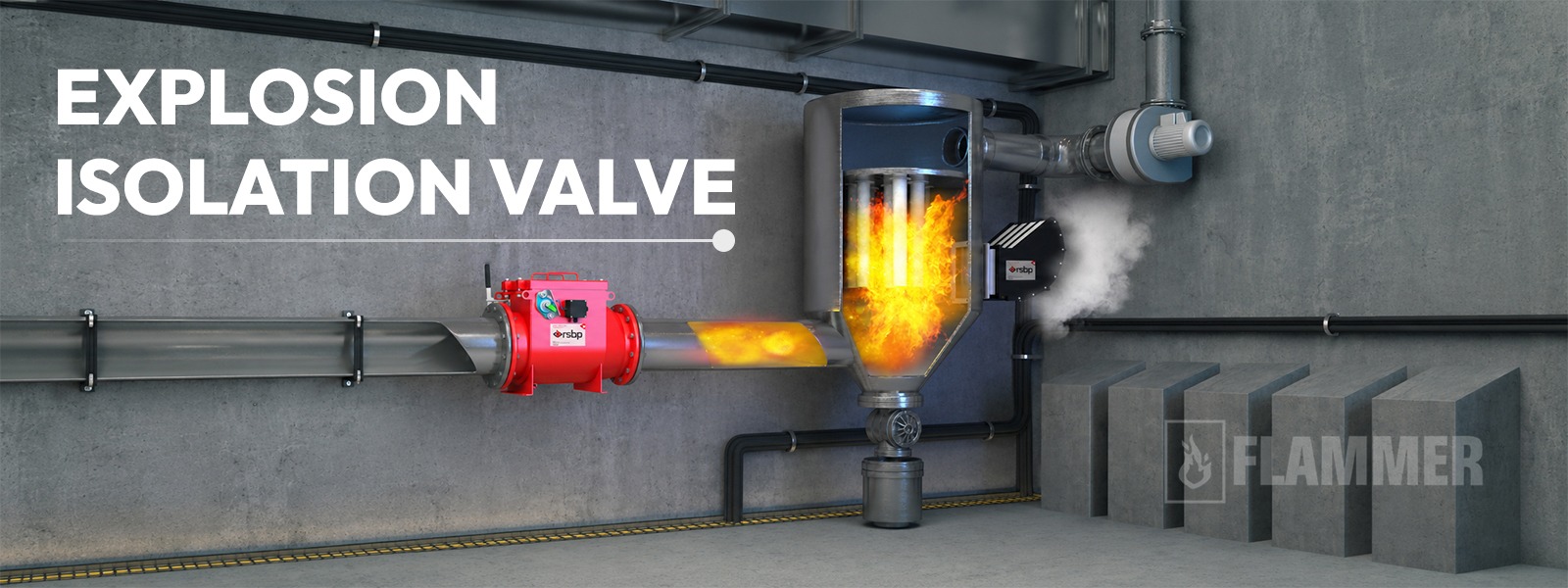
Explosion isolation systems are designed to detect, respond, and block the spread of an explosion within interconnected industrial processes. When an explosion occurs, it generates a rapid pressure rise and flame front that can travel through ducts, pipelines or equipment. Explosion isolation devices immediately react to these early signs—either mechanically or through sensor-based systems—to stop the propagation. As leading Explosion Isolation Valve suppliers in India, we test every product before we pack and deliver to our customers. 

In passive systems such as flap or barrier valves, the sudden pressure wave forces a mechanical closure, instantly sealing the duct and creating a strong barrier. In active systems, sensors detect the explosion and trigger high-speed valves or chemical suppression, isolating the affected area within milliseconds. This swift intervention confines the blast to its origin, preventing secondary explosions, reducing damage to connected equipment, and ensuring the safety of personnel and operations. We provide customized Explosion Protection Valves that fit your ducting perfectly. 

Technical Specifications

Parameter Specification
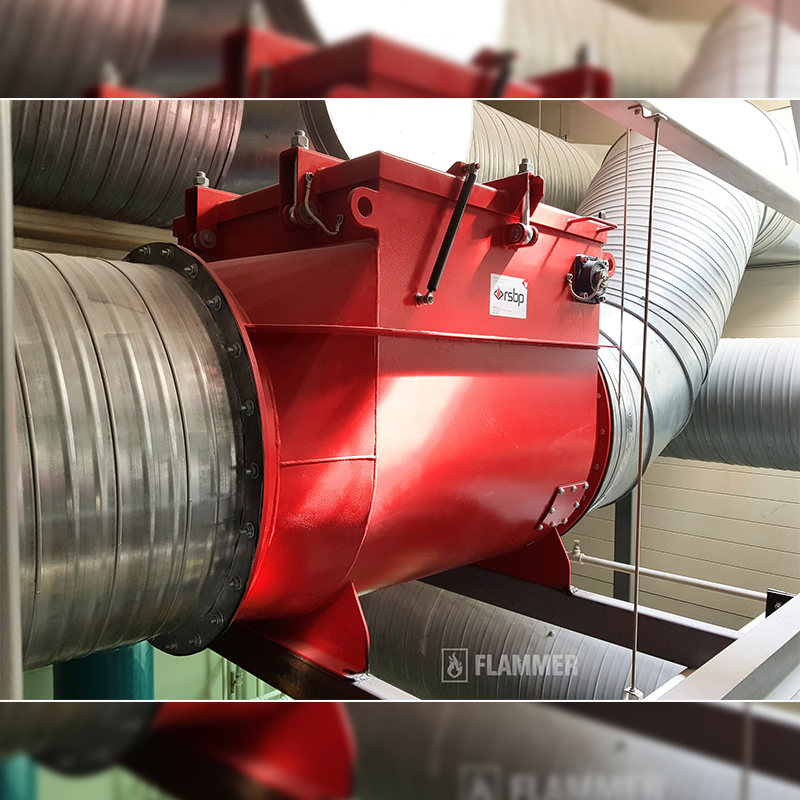
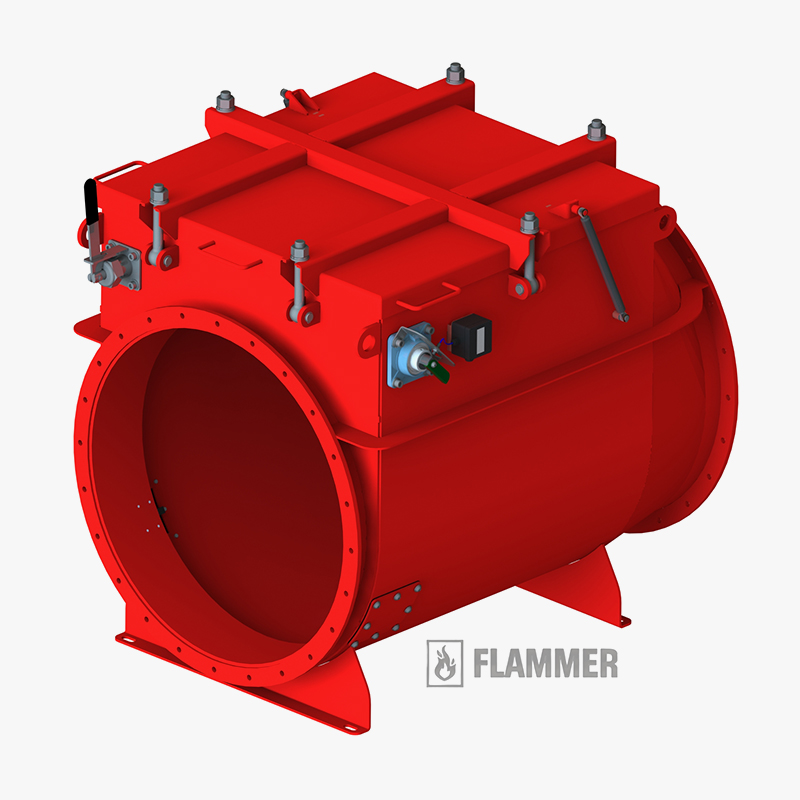
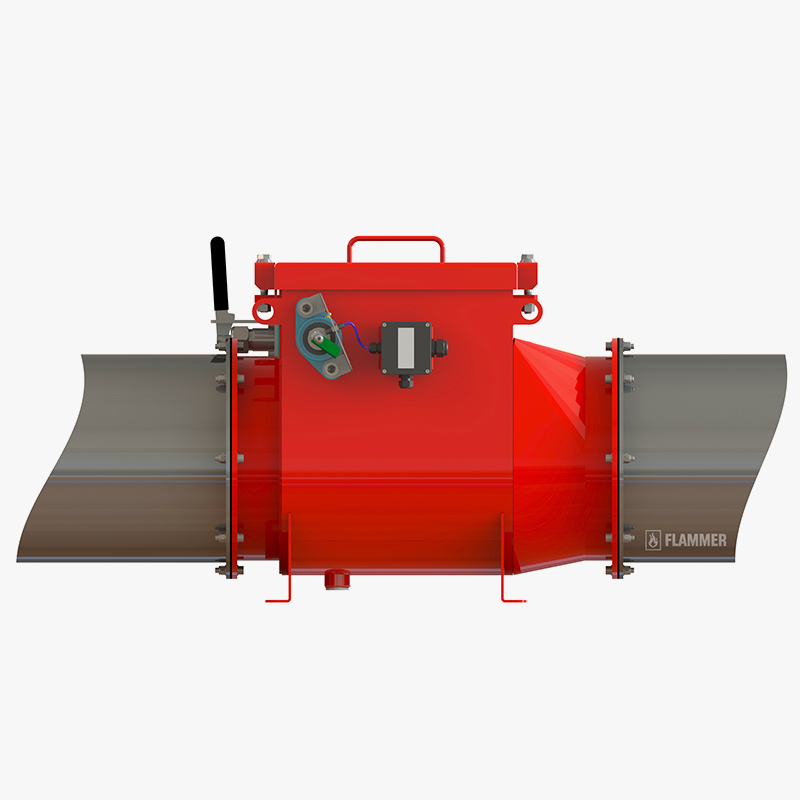
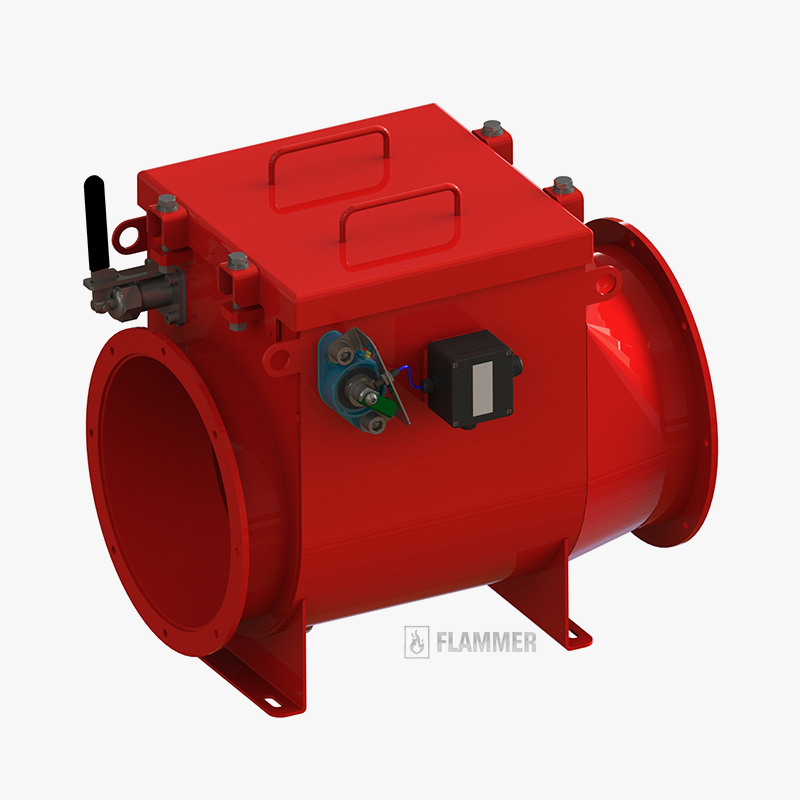
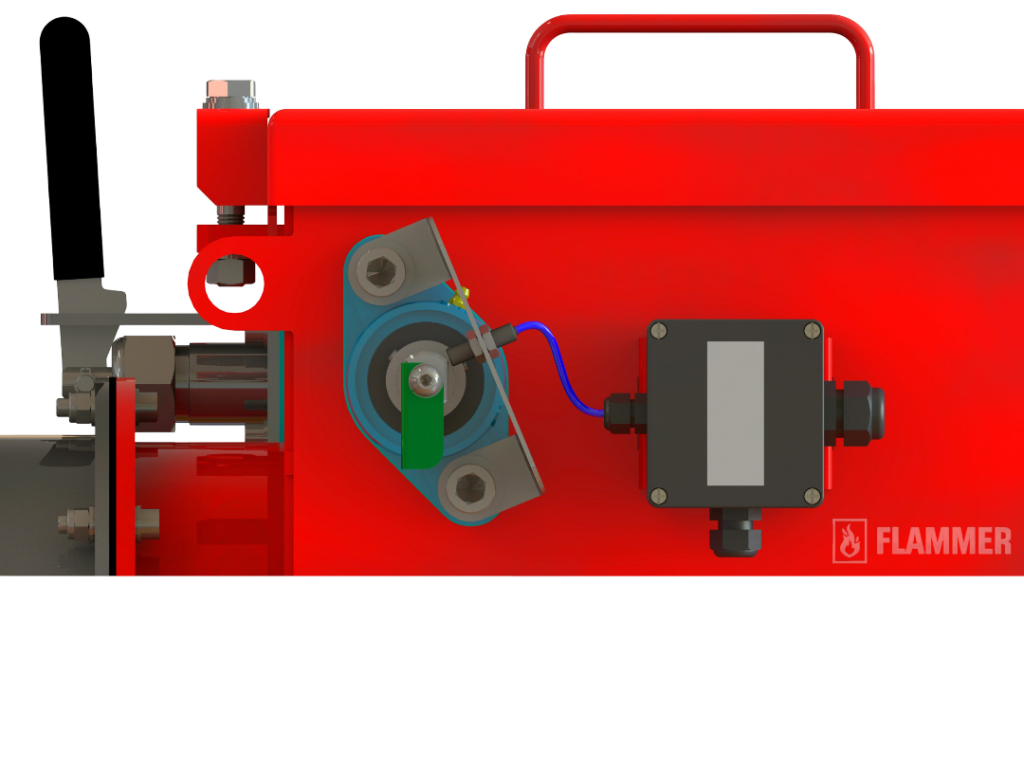
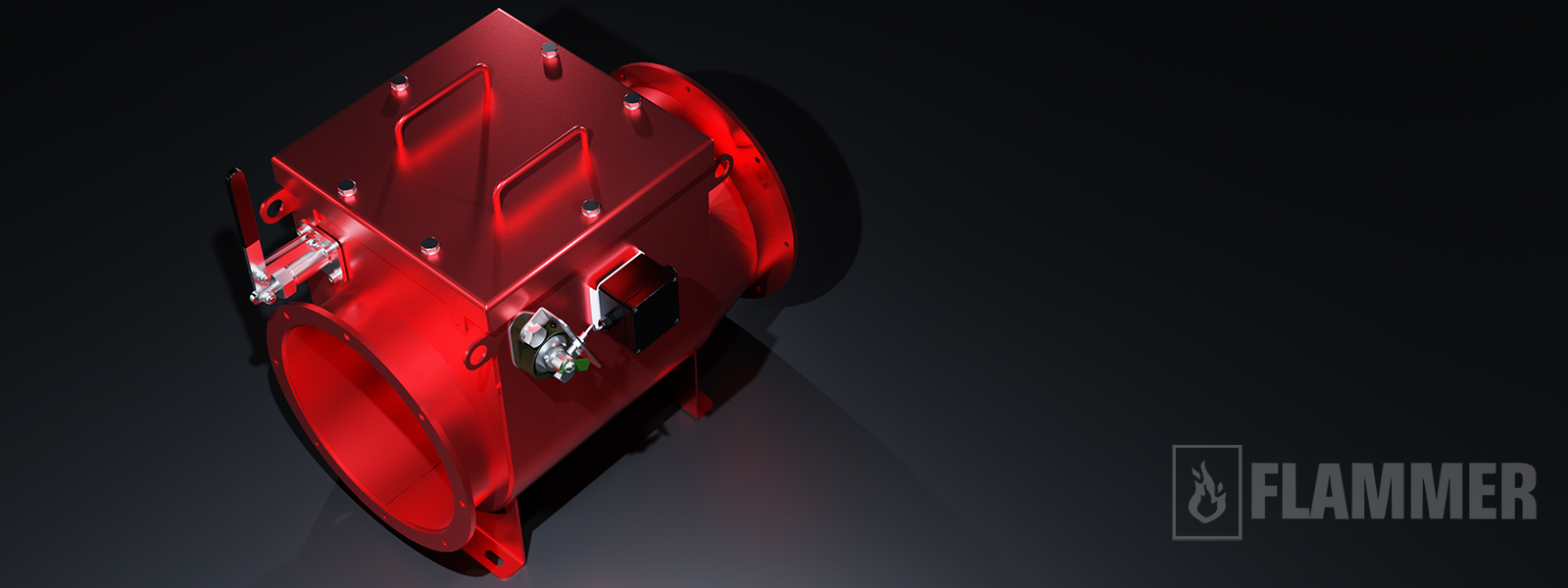
Product B-FLAP I PRO — Explosion Isolation Flap (Standard / Carbon Steel)
DS Reference DS_B-FLAP-I-PRO_11-2023_EN_Rev3
Operating Principle Passive mechanical — activated by explosion pressure wave. No power required.
Flow Direction Installation possible regardless of flow direction in the pipeline
Explosive Atmosphere Dust (D) — Equipment Group II
Equipment Category Zone 20 and Zone 1 (inside flap) | Zone 21 and Zone 1 (outside flap)
Certifications EN 16647 | EN 15089 | EN ISO 80079-36 | ATEX (EU Directive 2014/34/EU)
Welded Body Material Structural carbon steel (Stainless Steel optional — see SS variant)
Coating Powder coating RAL 3000 (red) — different colours available on request
Flange Gasket EPDM — supplied with B-FLAP I PRO
Fasteners Supplied with B-FLAP I PRO
Flange Standard DIN EN 12 220 — R1 (DN 100 to DN 500) | R2 (DN 560 to DN 800)
Ambient Temperature -40 °C to +80 °C (versions with electrical accessories: -20 °C to +60 °C)
Operating Temperature -40 °C to +200 °C (*DN 710 and DN 800: requires HT coating for > 80 °C)
Storage Temperature -10 °C to +40 °C
Available Sizes DN 100 | DN 125 | DN 150 | DN 200 | DN 250 | DN 280 | DN 300 | DN 315 | DN 355 | DN 400 | DN 450 | DN 500 | DN 560 | DN 630 | DN 710 | DN 800

Applications Of Explosion Isolation Valve

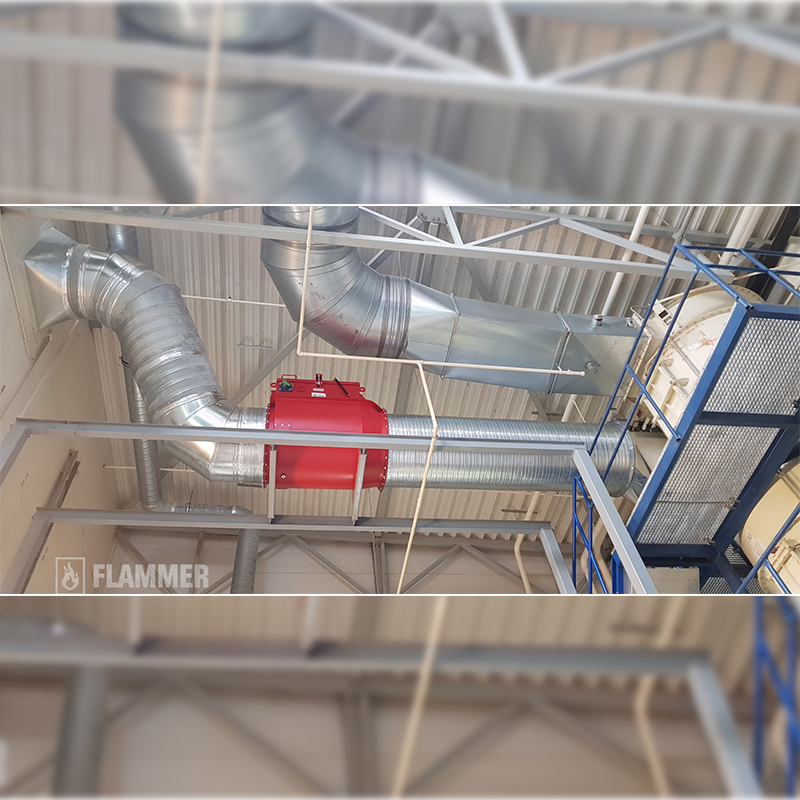
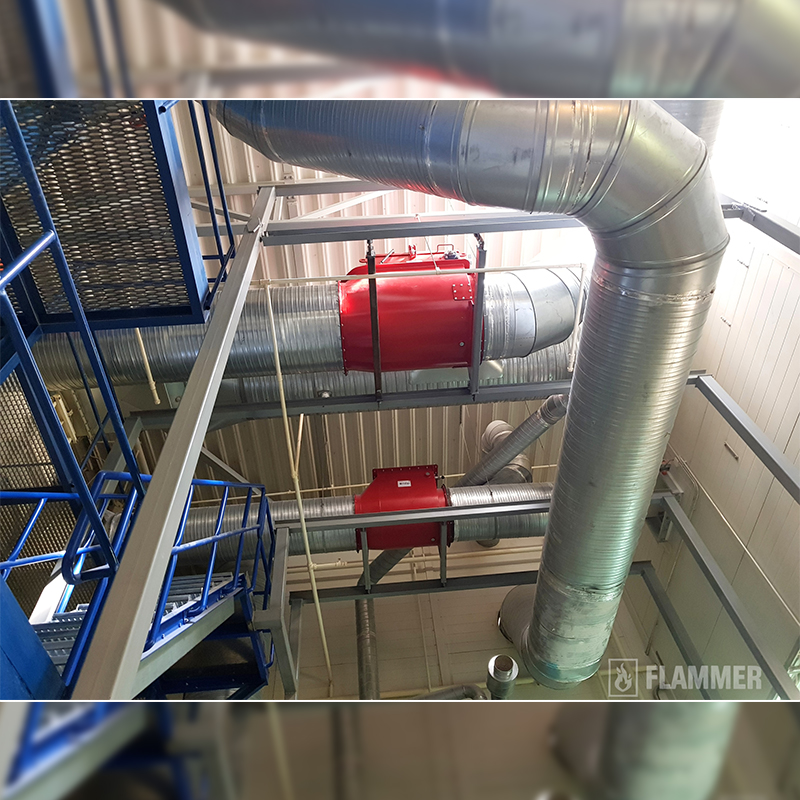
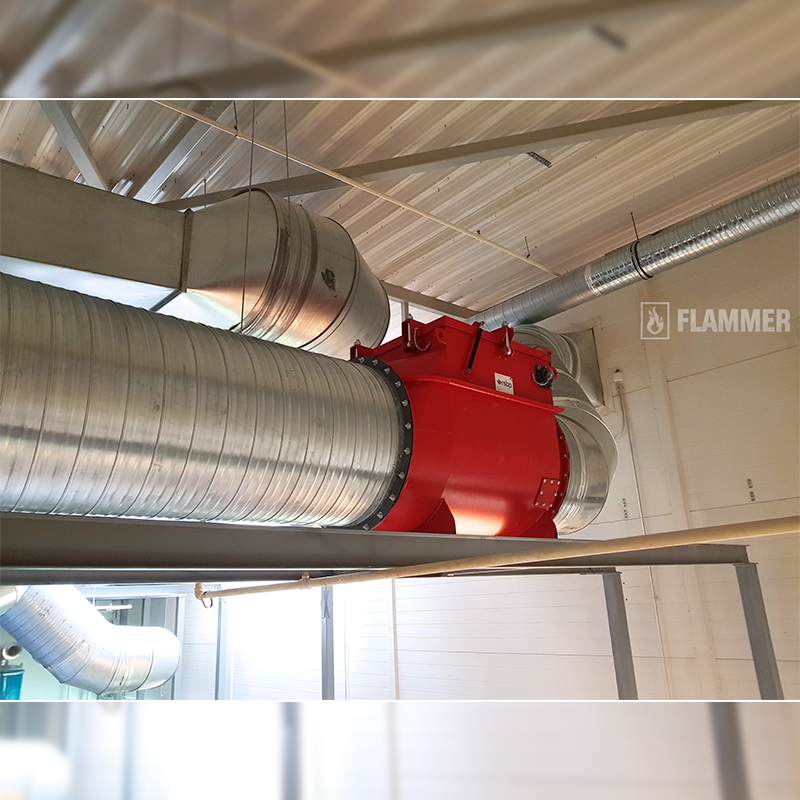
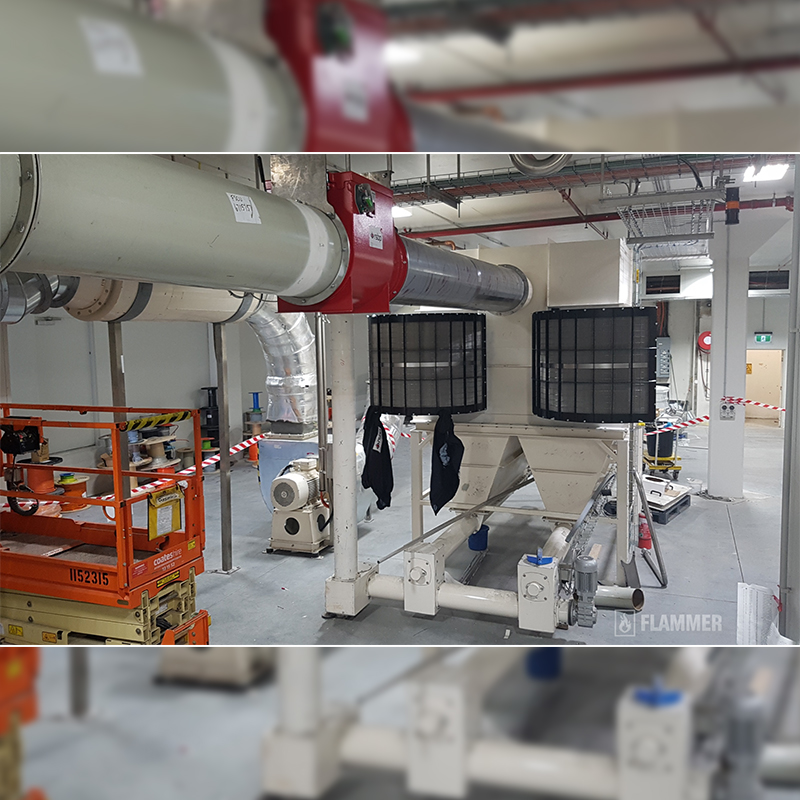
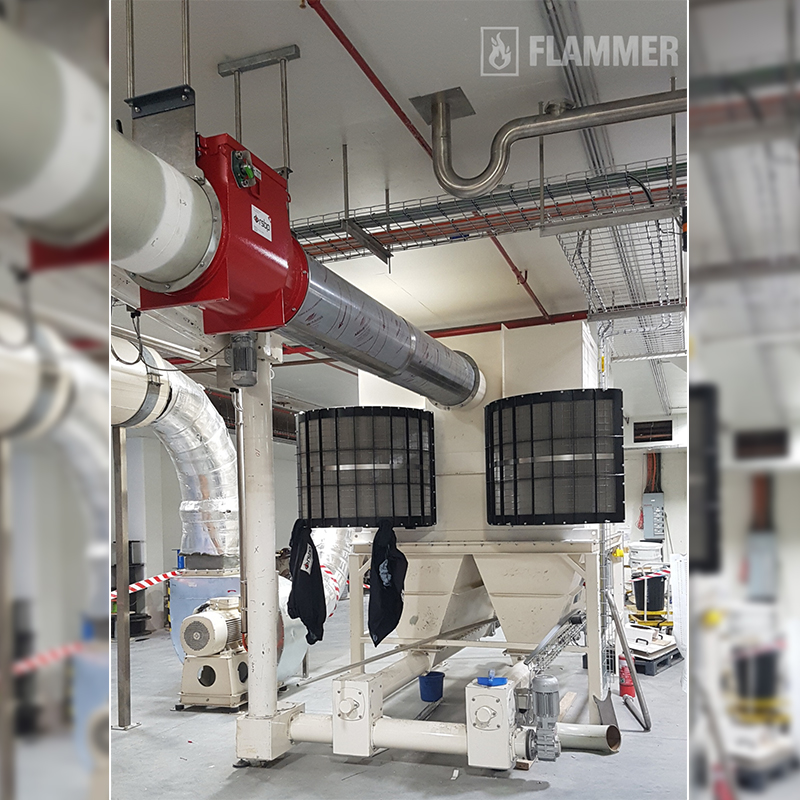
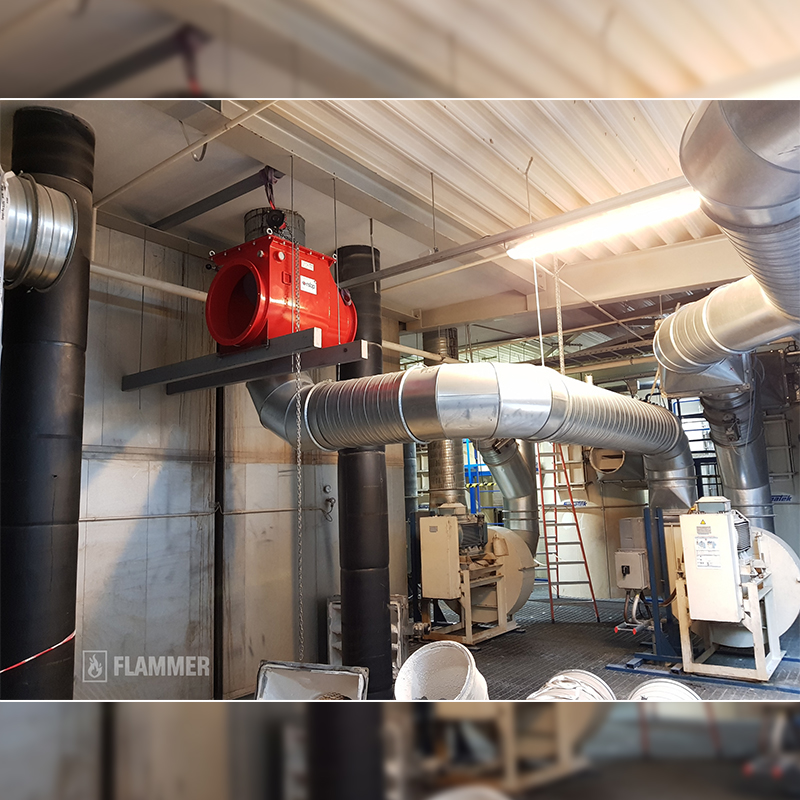
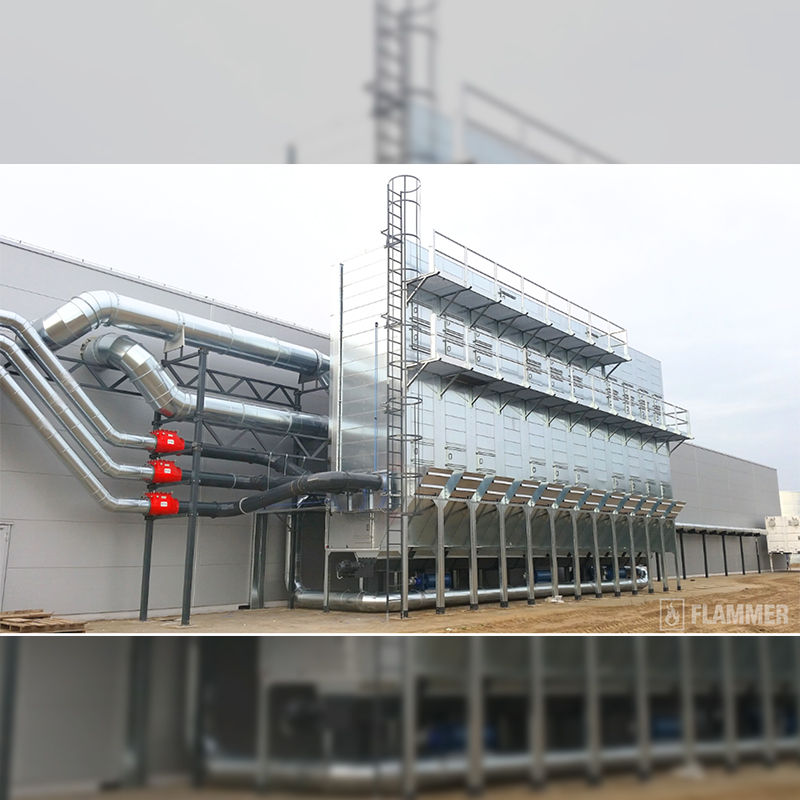
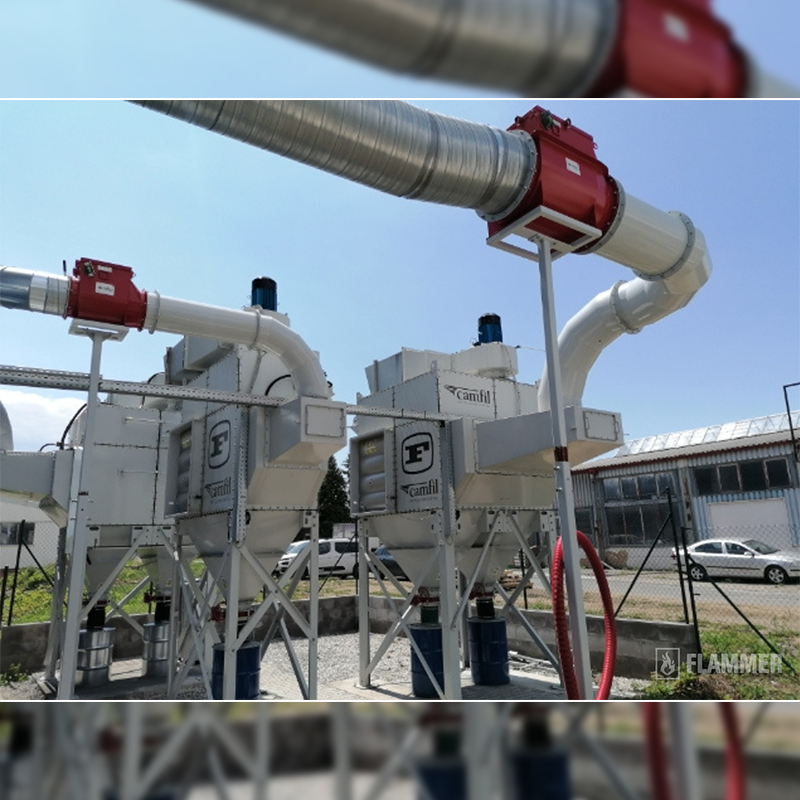
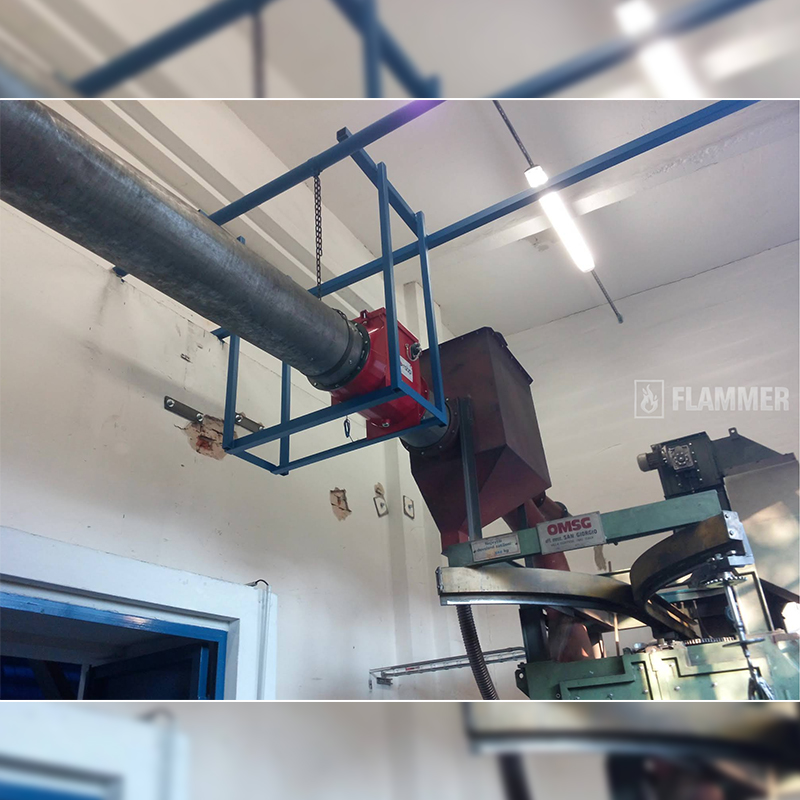
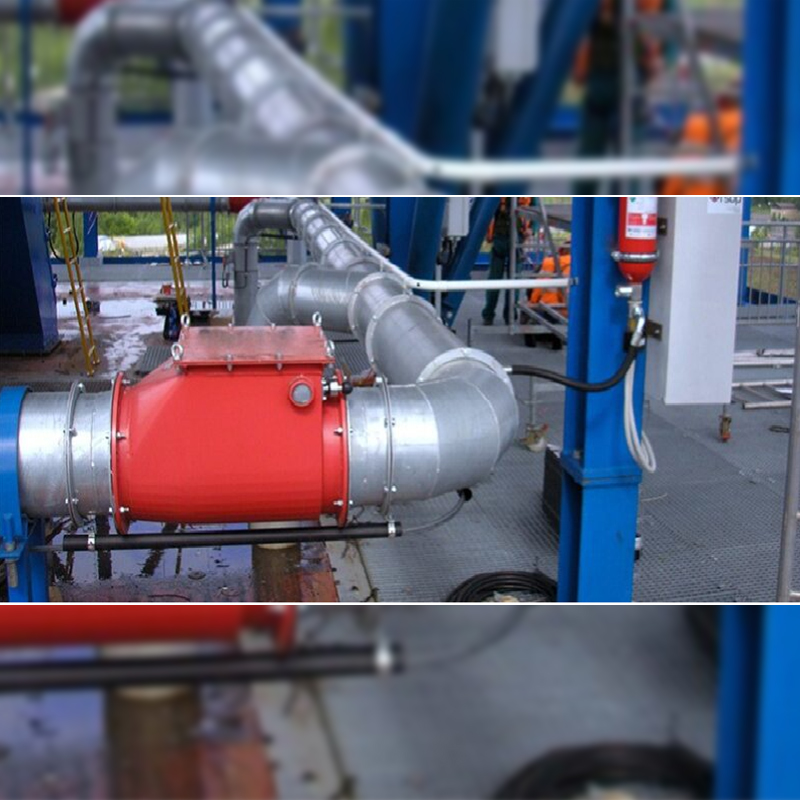
The B-FLAP I PRO is specified in ductwork connections between equipment wherever dust explosion propagation is a risk. Common applications include:

Key Features & Benefits

Catalogue

Explosion Isolation Valve Catalogue

B Flap I PRO Explosion Isolation Valve

BFlap I PRO Explosion Isolation Valve SS